Nipmucs and Pocumtucks

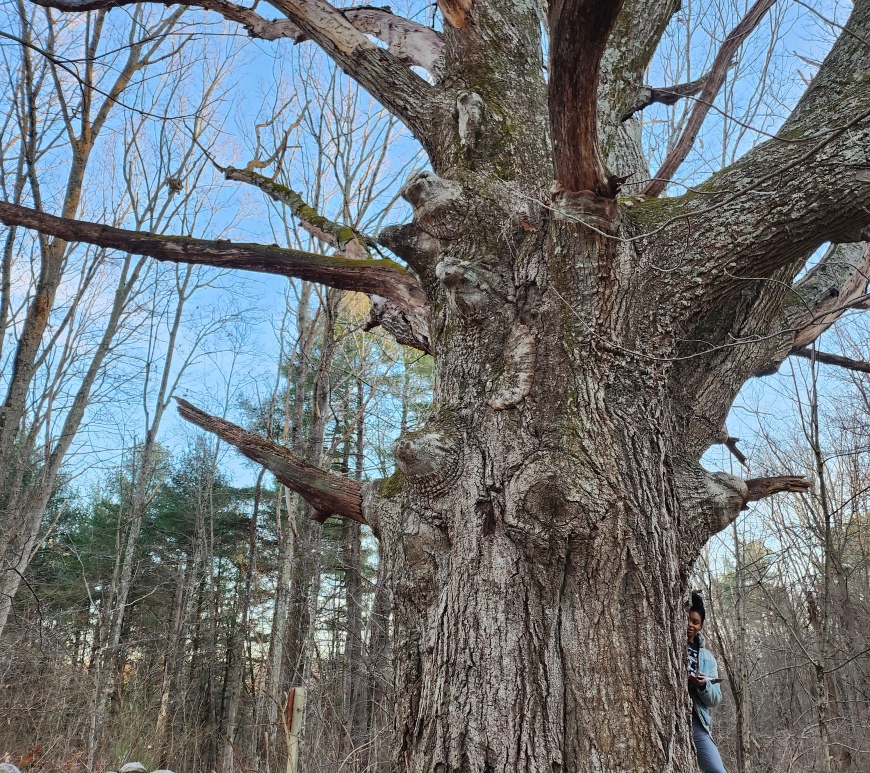
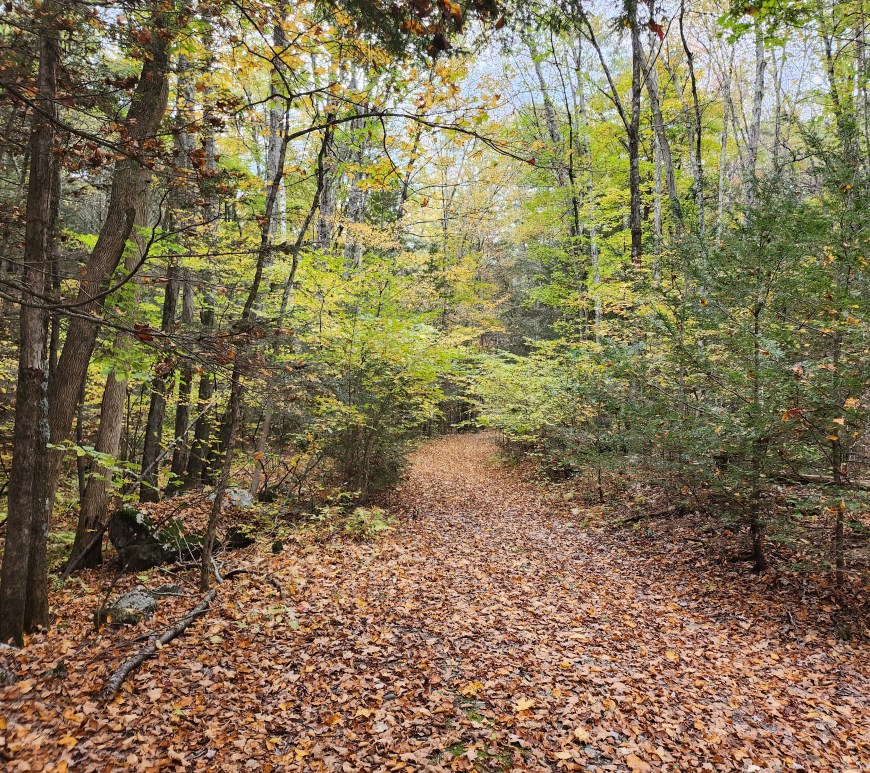
Quinnitukqut means “long river” in our language. I think about our relatives, the Pocumtuck People, often. The mid-section of the Connecticut River Valley was full of life when they lived within it. I think about how the Pocumtuck and the Agawam and the Nonotuck and all their family are no more. They were murdered. They were stolen. They were driven out. All these communities had … Continue reading Nipmucs and Pocumtucks

The Economic Impact of Rematriation

Land-back and rematriation efforts have significant economic implications, offering Indigenous communities opportunities for sustainable resource management, ecotourism, and the preservation of cultural heritage. Returning land to Indigenous communities can contribute to economic empowerment, job creation, and the development of Indigenous-led businesses. Here are some key aspects of the economic implications of land-return initiatives: Admittedly, I have not warmed to the idea of co-management of land … Continue reading The Economic Impact of Rematriation

For Partners and Allies in Rematriation

Collaborative partnerships between Indigenous communities, non-Indigenous allies, and governmental or non-governmental organizations are important for advancing the land-back and rematriation movements. These partnerships can offer a framework for shared responsibilities, resources, and expertise, contributing to the success and sustainability of land-return initiatives in several ways. Collaborative partnerships can enable the pooling of resources, both financial and technical. Non-Indigenous allies and organizations can provide funding, legal … Continue reading For Partners and Allies in Rematriation

Land-Back

Land-Back – An Historical Context Land-back is the act of returning land to Indigenous peoples. Returning land can be by direct gift, purchase, or any other form of giving the land title to the original people that occupied the space. Land-back returns physical and political control to the original peoples. It also provides the opportunity to educate the public about tribal stewardship based on traditional … Continue reading Land-Back

Milkweed Processing

Last month, with the help of many others, I extracted fibers from milkweed stalks to use in weaving projects. The stalks were harvested between late October and early January from various places, including my yard. One should wait until the stalks are black before harvesting. For some reason, the milkweed stalks in my yard didn’t blacken until January, when I finally cut them down. I … Continue reading Milkweed Processing

What is Rematriation?

In what is now called New England, some centuries ago, European invaders disrupted our relationship with our homelands. They removed us from our lands, prevented access to crucial medicines, and eliminated and polluted our water sources. No longer living in relationship with the land, we lost its teachings. The invaders also reorganized our social systems into replicas of their patriarchal system. Our people lost knowledge, … Continue reading What is Rematriation?