David Munnalaw, sometimes spelled Munnunaw, lived among the people of Hassanamesit long before King Philip’s War erupted in the Dawnland. His life was one of complexity and contradiction, embodying the difficult choices faced by many Indigenous people during that time. He was born at Wamesit (now called Lowell) about 1645 and was part of a group of Pawtucket people who lived in Okommakamesit – now called Marlboro.
As a young man of about thirty, he aligned himself with Metacomet and fought for his people in King Philip’s War. His involvement in this war included the destruction of the colonial town of Medfield, a fact he reluctantly admitted to after returning to Marlborough.
David’s life in Marlborough after the war was marked by the scrutiny afforded all Indigenous survivors and a lasting physical mark—a slit thumb that may have been an injury acquired during the war. Recognized by a Medfield inhabitant he had once wounded, David at first denied his actions but, realizing the evidence against him was indisputable, confessed that he had indeed been present during the Medfield battle. He was not held responsible for reasons not clear today and continued to reside in Marlboro.
David and his family lived both in Marlboro along Lake Williams and in Grafton in what is now called Saundersville. As the years passed, David’s notoriety softened into a quieter presence. He became a familiar figure around the neighboring orchards, where he would gather fruit from a favorite apple tree, an activity that grew into a ritual in his later years. This tree, which bore the fruit he loved, eventually became his final resting place. It was there, under the spreading branches, that David Munnalaw, an old warrior whose skin had wrinkled and shriveled with time, drew his last breath at the age of 104.
David lived for more than a century, and after his passing, his descendants continued to live in Grafton. His son, Abimelich David, had married Hassanamisco Patience Abraham and in 1727 was allotted a portion of his brother-in-law’s lands. Abimelich was well known in the town and has been treated harshly by town historians who still try to perpetuate the myth that all Indians are worthless. Abimelich’s daughter, Patience, married Samuel Pegan and moved to her husband’s homelands in what is now called Webster, MA. The rest of the David and the Abraham families remained in Grafton until all portions of their land were lost due to dishonest colonial tactics.
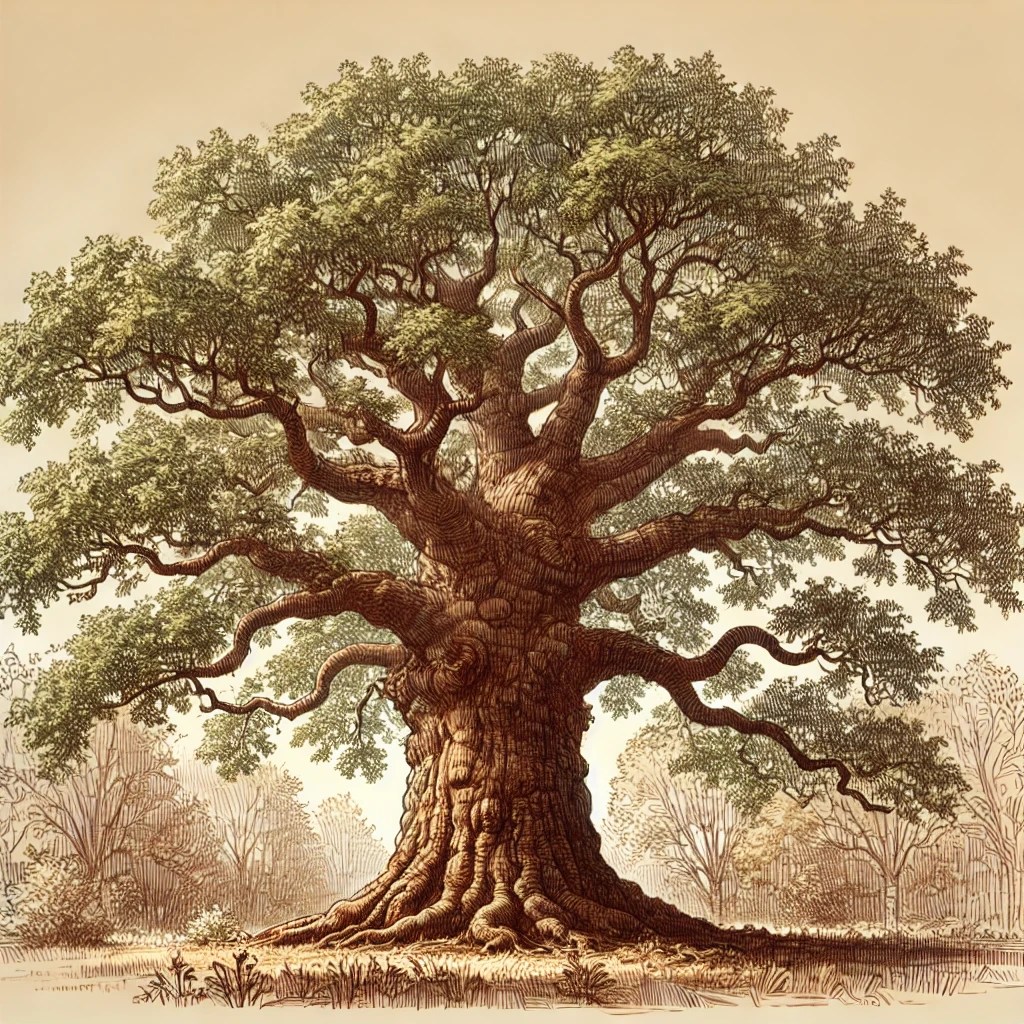
David Munnalaw’s life provides insight into the history and resilience of the Hassanamesit people. The family home in Saundersville, nestled beneath a old chestnut tree, preserved traces of the past; even long after David’s passing, the land bore signs of old cornfields where the corn entwined with squash and beans. His descendants continued to grow these essential foods, a living testament to the enduring strength of Indigenous traditions through shifting times.
The memories of David and his family, like the old chestnut tree that once shaded their wetu, may have eventually faded, yet their presence lingered and their descendants remain at Hassanamesit. David Munnalaw’s life and legacy remain woven into the history of the land he called home, a reminder of the deep and enduring ties the Hassanamesit people have to their ancestral lands.
Aquene, Cher
 Cheryll Toney Holley